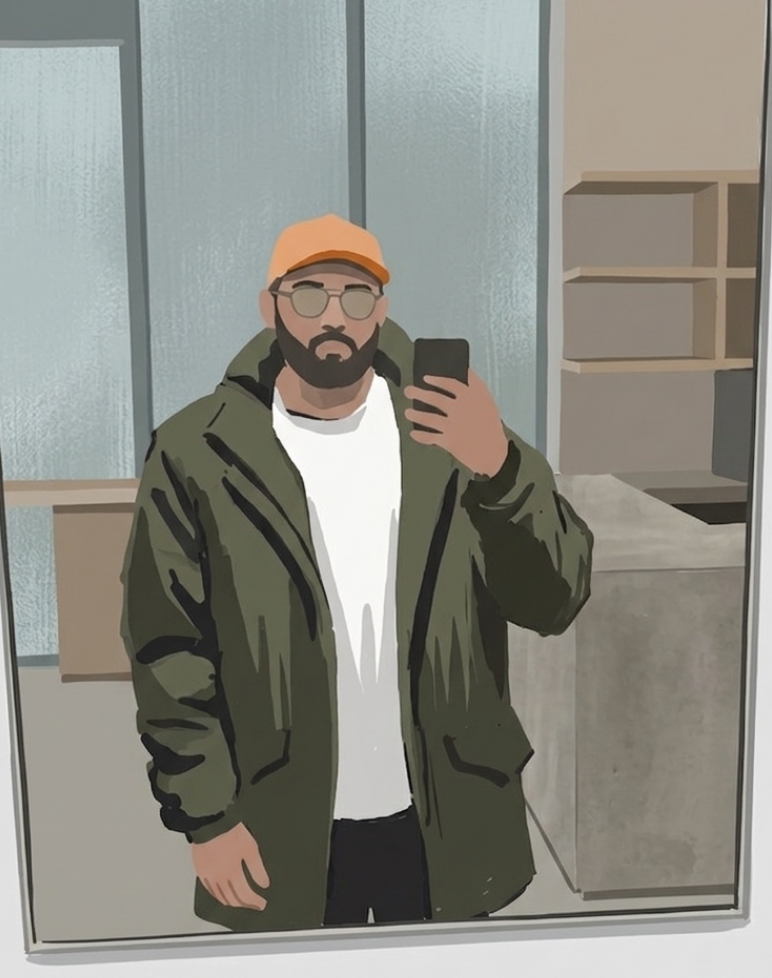




Over the past few years, I have been to 15 different hackathons. I have lived the whole joke: the sleepless nights, the diet of pure energy drinks, and those scary last minute demos that somehow worked just in time.
These events used to be massive tests for creativity and real skill. You went in with an idea and came out a few days later with a working early version and a mild case of sleep loss. They were great for building technical skills, teamwork, and problem solving. But I have also watched things change a lot, and honestly, it has not been for the better.
Here is what surviving 15 hackathons actually taught me and why the current state of things is making me seriously think about never going back.
The List of Events
Just for context, here is the list of the events that shaped these opinions:
- Slash Hackathon 2022
- SportsTech Hackathon 2022
- Summer Game Jam 2022
- Encode Hackathon 2023
- Hackfestival 2024
- Siemens Sustainability Hackathon 2024
- Hackbay 2024
- Bulkmasters Hackathon 2024
- BCG Hackathon 2024
- Mobility Solutions Hackathon 2024
- CyberSecurity Hackathon 2024
- EUDIS Defence Hackathon 2025
- HackXplore 2025
- QHackathon 2025
- PMRexpo Hackathon 2025
The Real Lessons Learned
Time Pressure Forces Hard Choices In a normal job, you can afford to debate the good points of different tech tools for three weeks. At a hackathon? You have hours. That limit is the best teacher you will ever have. It forces you to build the absolute core of your idea first and worry about edge cases never. I have shipped some very ugly code during these events, but it worked. Every single time, making an ugly version that works beats a beautiful system that does nothing.
Team Chemistry Beats Raw Talent You could put together a dream team of four senior coders, but if they cannot talk under stress, they will lose to a group of excited beginners who actually listen to each other. Over 15 events, I realized that having one person who can clearly pitch the idea is just as valuable as the person writing the code. You learn very fast how to spot bad group moods and stop them early, usually right around 3 in the morning when the database refuses to connect.
Losing is the Actual Feedback Loop I have lost far more of these than I have won. I have had projects crash completely live on stage, and I have pitched ideas that the judges totally ignored. Winning is a great ego boost, but losing is what forces you to look at what went wrong. You learn how to take heavy criticism, change your whole plan on the fly, and save a dead idea. In fact, one of my biggest failures actually became a standout portfolio piece after I spent a few weeks fixing it after the event.
The Pitch is Everything It hurts to admit, but the best code rarely wins. The judges are tired. They are looking at dozens of projects very quickly. If you cannot explain the problem, show your solution live, and show why it matters in under three minutes, your brilliant math means absolutely nothing. Storytelling is an engineering skill. I have watched very complex, polished projects lose to a team with a shaky app but a killer, clear live demo.
The All Nighter is a Trap Praising the 72 hour coding binge is a massive mistake. Working with a tired brain just leads to terrible logic and bugs that take hours to fix. During the PMRexpo 2025 event, I was genuinely sick. I tried to push through it, missed an entire day of work, and foolishly dragged myself to the final presentation feeling awful. I messed up the pitch and missed key talking points entirely. The lesson was harsh: respect your physical limits. A rested coder working for 10 hours gets much more done than a sleep deprived zombie staring at a screen for 24.
The Verdict: Drowning in AI Junk
Hackathons used to be a test of human cleverness under pressure. They turned me from a beginner coder into someone who actually does well in chaos. But right now? I am mostly checked out, and it all comes down to the current state of AI.
Modern hackathons are rapidly turning into an automated mess. In recent events, I have literally watched the engineering life get sucked right out of the room. Teams are not coming up with ideas anymore, they are just asking AI for startup ideas. They are not writing code or solving hard puzzles, they are pasting code from bots. The slide decks are made by AI, the pictures are AI, and the pitches feel totally fake and rehearsed by a machine.
The absolute lowest point for me was a recent event where even the judging process was partially handed over to an AI to grade the presentations. Think about that for a second. We have reached a point where AI generated ideas, built with AI generated code, are being pitched via AI generated slide decks, only to be rated by an AI judge. What are we even doing here anymore?
It used to be about the thrill of making things and pushing your own limits to see what you could build from scratch. Now, it just feels like a competition of who can copy and paste the best text the fastest.
Do not get me wrong, I will always look back on these events fondly. After all, it was a hackathon back in 2024 that gave me my big break and landed me my first job as a developer. I deeply value the toughness and technical experience those 15 events gave me. But until the culture shifts back to valuing actual human problem solving, my weekends are better spent building things on my own terms.